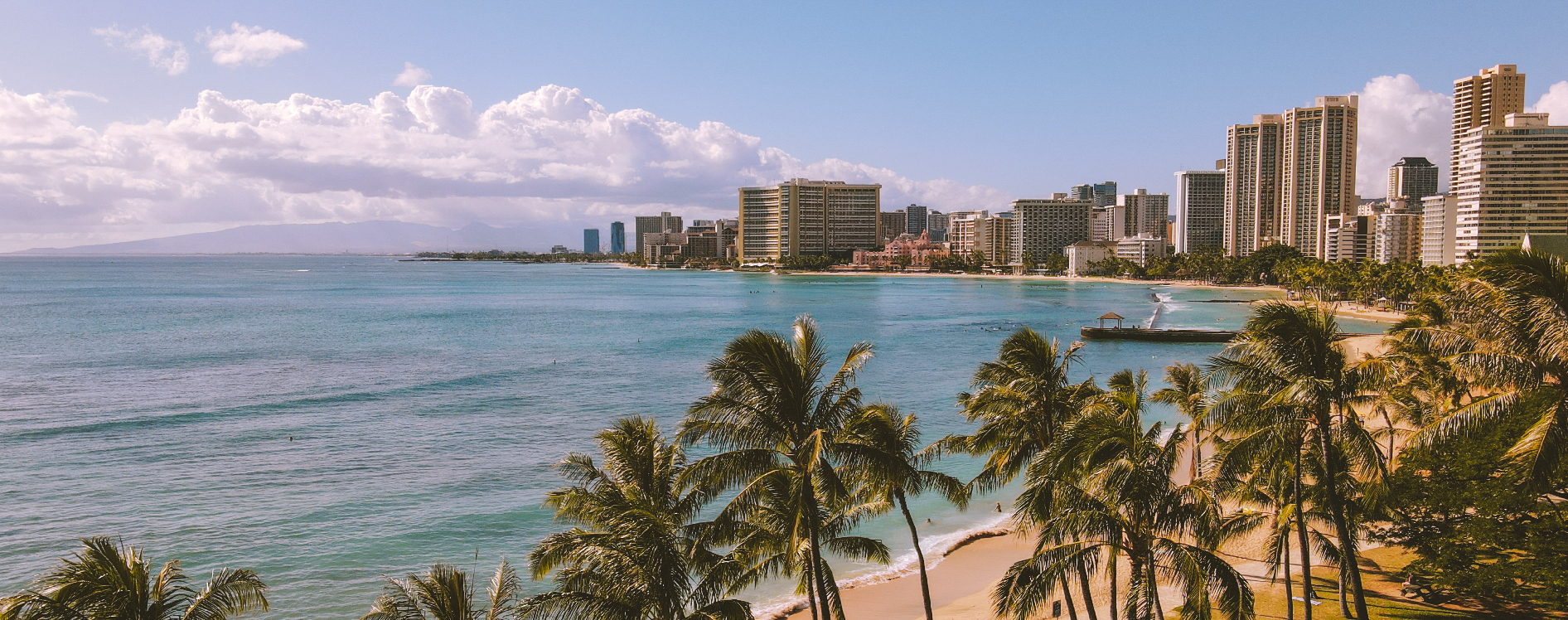
Moving to Hawaii puts an ocean between you and the mainland—and the logistics, timeline, and planning reflect that. The islands offer year-round warmth, serious outdoor access, and a cost of living that runs higher than most of the country, so the people who settle in well are typically the ones who came in prepared.
In This Article
- Planning Your Move to Hawaii
- Categories of Hawaii Moves
- What to Expect Before Relocating
- Island Options in Hawaii
- Getting Your Belongings to Hawaii
- Building Your Move Timeline
- Start Planning Your Move with Royal Hawaiian Movers
Most Hawaii Moves Fall Into a Few Categories
Military assignments bring service members and their families to bases, including Pearl Harbor, Schofield Barracks, and Marine Corps Base Hawaii, each year. Career opportunities in healthcare, construction, and tourism draw others, while native Hawaiians returning from the mainland make up another steady share of incoming moves. Retirees round out the mix, drawn by Hawaii’s climate and the slower pace its islands are known for.
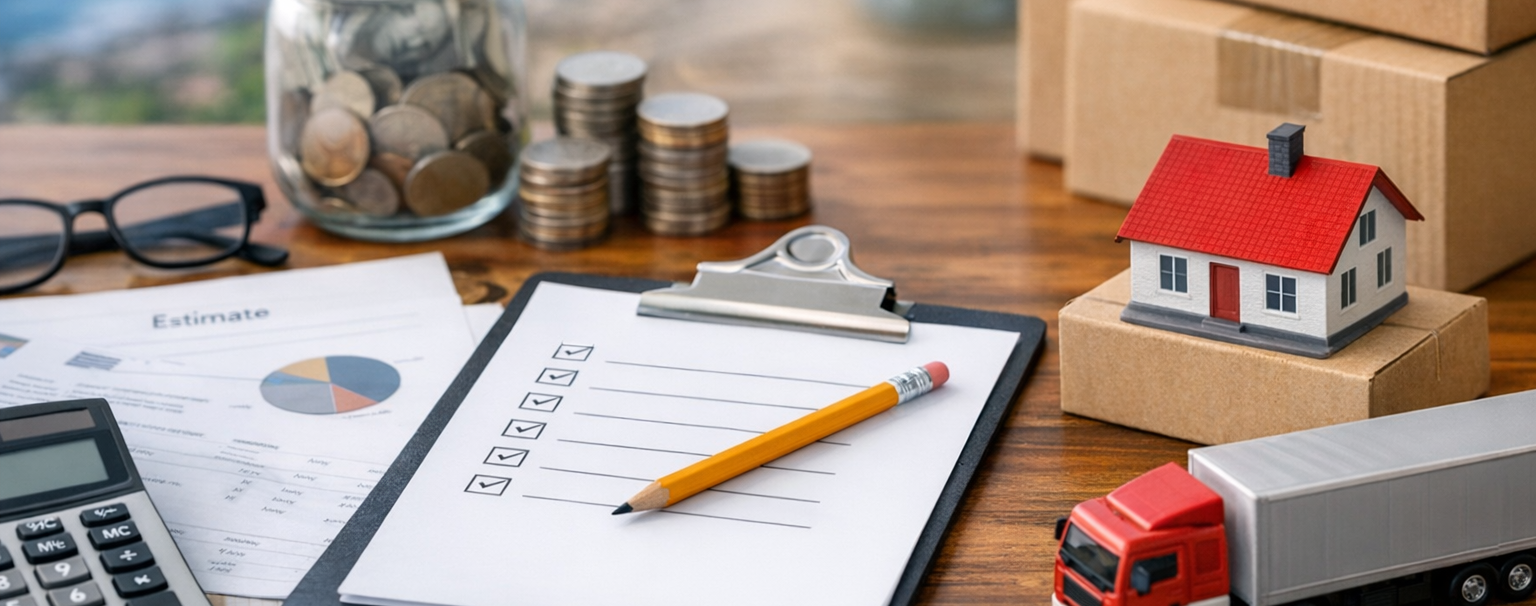
Building a moving budget checklist before you request quotes helps you accurately compare costs across movers.
What to Expect Before Relocating to Hawaii
Hawaii is more expensive than most mainland states, and daily life on the islands comes with realities that catch some newcomers off guard. A clear picture of what to expect before you move makes the adjustment period shorter. Before you settle on a moving date, look closely at each of the following areas:
Cost of Living in Hawaii
Groceries, gas, and utilities all cost more than the mainland average because most of what’s consumed on the islands has to be shipped in. Homes on O’ahu and Maui reflect limited land and strong demand, and that pattern holds across the other islands as well. Budget more than you would for a comparable mainland move—the adjustment period is easier when the finances are prepared for it.
Jobs and Employment
Tourism and hospitality drive a large share of Hawaii’s economy, alongside healthcare, state government, and construction. Remote workers relocating to Hawaii have an edge since they bring mainland income into a smaller local economy. For those who need on-island employment, securing a job offer before the move removes much of the uncertainty—Hawaii’s job market rewards people who’ve built connections on the island before arriving.
If you’re moving your office to Hawaii, start coordinating freight and terminal logistics earlier than you think you need to.
Schools
Hawaii has a single statewide public school system, which means school assignments are not tied to neighborhood districts the way they are on the mainland. Public school quality shifts from campus to campus, so researching specific schools before choosing a neighborhood is worth the time. Private school options are available across the larger islands, with O’ahu and Maui offering the most options.
Healthcare
O’ahu has the most hospitals, medical centers, and specialists in the state. Maui, the Big Island, and Kauai each have regional hospitals and clinics, though access to specialty care may thin out in rural areas. Anyone managing ongoing health conditions should weigh how close medical facilities are when choosing where to settle.
Island Options in Hawaii
The island you choose affects your commute, your cost of living, and your day-to-day options in ways that are worth thinking through before you commit:
- O’ahu: Home to Honolulu and the state’s largest job market, a full range of services, and well-developed infrastructure, suited for people who want city access alongside the coast.
- Maui: Coastal towns and rural hillside neighborhoods sit close together, giving residents access to amenities without full city density.
- The Big Island (Kailua-Kona): The sunny west side of the Big Island offers a warm, dry climate and a more resort-oriented lifestyle, with room to spread out in a way the other islands don’t offer.
- The Big Island (Hilo): The lush east side of the Big Island has a cooler, rainier climate, a tight-knit community feel, and a pace of life that’s distinctly its own.
- Kauai: Limited commercial development, smaller communities, and a feeling further removed from mainland-style living compared to the other islands.
Getting Your Belongings to Hawaii
A Hawaii move runs on ocean freight, and the port logistics, transit schedules, and inter-island routing involved require a mover with specific Hawaii experience and terminal facilities on the islands. Working with one that has both keeps the operation from becoming a coordination problem:
Moving Household Goods
Household goods ship in containers matched to the volume of your move. You could have your own dedicated container for larger households, or shared container space for smaller ones. Terminal facilities on O’ahu, Maui, the Big Island, and Kauai put shipments directly on your island, with weekly direct sails to the neighbor islands running on a set schedule.
Shipping Vehicles to Hawaii
Vehicle shipping can be coordinated alongside your household goods move, covering port drop-off on the mainland, ocean transit, customs clearance, and pickup at the island port. Handling both through the same mover removes the back-and-forth of managing two separate operations.
Building Your Move Timeline
A Hawaii move involves packing, port processing, ocean transit, and island delivery—each with its own scheduling window that needs to be accounted for before you set a move date. Booking early gives you the best shot at securing your preferred dates and enough time to get quotes from multiple movers before committing.
Start Planning Your Move to Hawaii With Royal Hawaiian Movers
Royal Hawaiian Movers has been moving families to Hawaii for over 40 years, with terminal facilities on O’ahu, Maui, the Big Island, and Kauai. Reach out for a quote to get started.